6 to 12 weeks is typical
A typical council house swap takes 6 to 12 weeks from agreeing with your swap partner to moving day. The biggest single chunk of that time is the landlord processing period, which can take up to 42 days by law. Some swaps complete faster — as quickly as 4 weeks if both landlords are efficient — while others take 3 months or more if there are complications.
The total time depends on several factors: how quickly you find a match, how fast both landlords process the application, whether any repairs or conditions need to be met, and how many parties are involved in the swap.
Quick summary
Finding a match: 1 to 4 weeks. Submitting applications: 1 week. Landlord processing: up to 6 weeks (42 days). Moving preparation and completion: 1 to 2 weeks. Total: 6 to 12 weeks for a straightforward two-way swap.
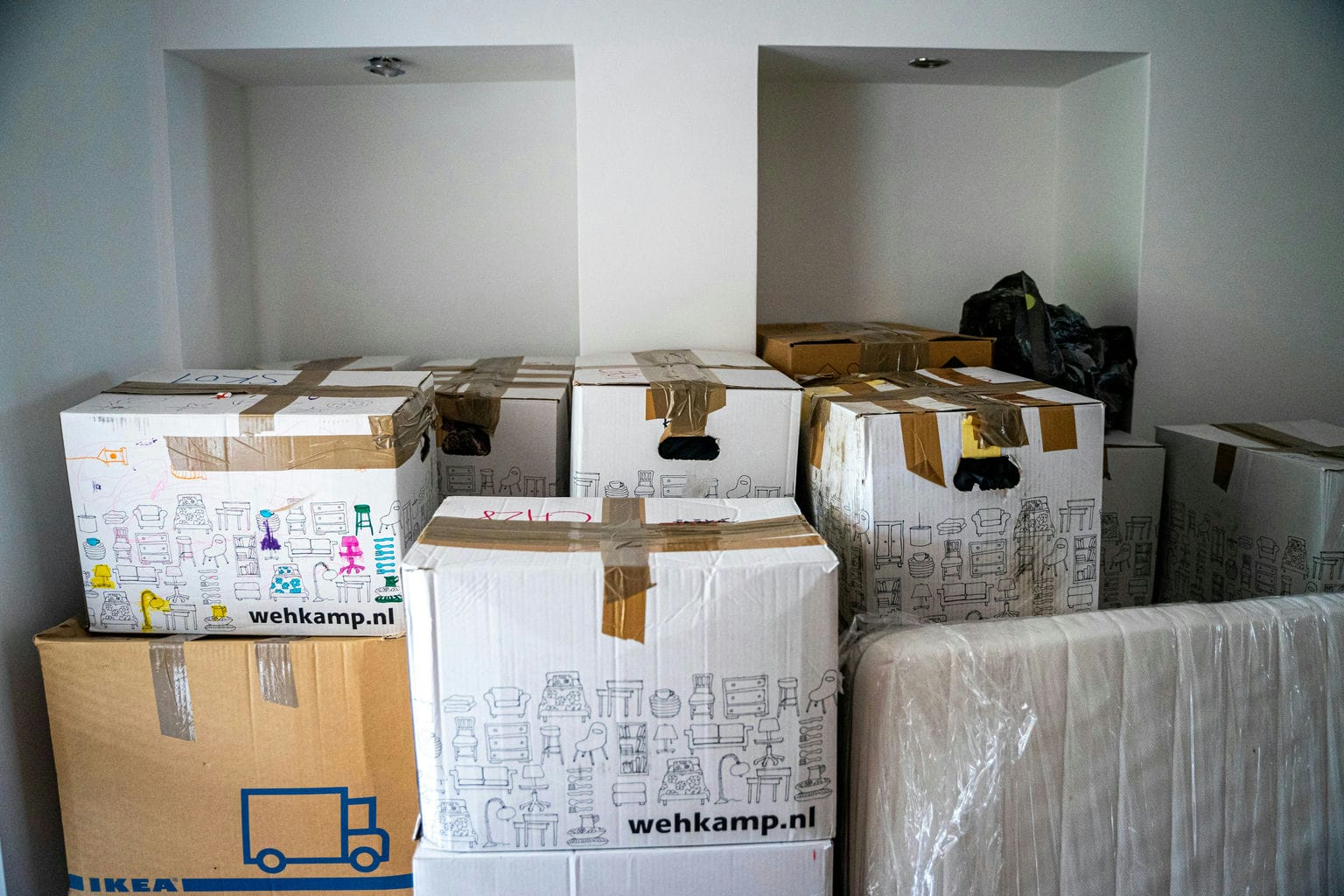
Phase 1: Finding a swap partner (1 to 4+ weeks)
Before the official process begins, you need to find someone who wants your home and whose home you want. This is often the most variable part of the timeline.
Best case: 1 week
If your property is in a popular area and you are flexible about where you move to, you may find a match within days. Two-bedroom flats in cities tend to match fastest.
Average: 2 to 4 weeks
Most tenants find a suitable match within a month if their listing is well-presented with good photos and a clear description.
Longer: 2 months+
If you need a very specific area, an unusual property type, or are looking for a chain swap, it can take longer. Rural areas and larger properties (4+ bedrooms) typically take more time.
Speed tip
Upload clear photos, write a detailed description, and be honest about your property. Listings with good photos get significantly more interest — see our guide to making your listing stand out. Use our search filters to narrow down your matches and save searches to get alerts when new matches appear.
Phase 2: Submitting the application (about 1 week)
Once you and your swap partner have agreed to exchange, you both need to submit mutual exchange application forms to your respective landlords. This phase includes:
- Visiting each other's properties — always do this before committing. Check the condition, the neighbourhood, and anything that matters to you.
- Completing the application forms — your landlord will provide these, or you can usually download them from their website. Both tenants fill in their own forms.
- Gathering supporting documents — you may need proof of household members, identification, and details of anyone who will be living with you.
- Submitting to both landlords — ideally on the same day, so both 42-day clocks start together.
Important: submit together
Both tenants should submit their applications to their landlords on the same date. This starts the 42-day processing clock at the same time for both sides, preventing one landlord from delaying while the other has already approved.
Phase 3: Landlord processing (up to 42 days)
This is the longest phase and the one you have least control over. Once your landlord receives your application, they have a legal maximum of 42 days to respond.
The 42-day rule explained
Under the Housing Act 1985 (Section 92), your landlord must respond to a mutual exchange application within 42 days. If they fail to respond within this period, consent is legally deemed to have been given. This is a legal deadline, not a guideline. Keep proof of your submission date.
During the 42 days, your landlord will typically:
Check your tenancy record
Rent arrears, tenancy breaches, anti-social behaviour, and any ongoing legal proceedings.
Inspect the property
A housing officer may visit to check the condition and note any damage or unauthorised alterations.
Contact the other landlord
If you and your swap partner have different landlords, they will exchange references and information about both tenants.
Check bedroom eligibility
They will check whether the incoming tenant's household size is appropriate for the property — not too large (overcrowding) or too small (significant under-occupation).
Issue a decision
They will either approve, refuse (stating the legal ground), or approve with conditions (such as clearing a small debt first). For details on valid grounds, see our guide to landlord refusals.
In practice, how long does this take?
- Fast landlords: 2 to 3 weeks
- Average: 4 to 5 weeks
- Slow (but within legal limit): the full 42 days (6 weeks)
Some landlords are much faster than others. Councils and housing associations that handle many mutual exchanges tend to have smoother processes. Read our guide to what happens after agreeing to swap for what to expect next.
Phase 4: Moving preparation and completion (1 to 2 weeks)
Once both landlords have approved the swap, you can agree a move date with your swap partner. This final phase typically takes 1 to 2 weeks:
- Sign new tenancy agreements — both tenants sign with their new landlord
- Arrange removals — book a van or removal company
- Transfer utilities — notify gas, electric, water, broadband, and council tax
- Take meter readings — at both properties on move day
- Redirect post — set up Royal Mail redirection
- Move day — coordinate with your swap partner so you both move on the same day
Move day coordination
Most mutual exchanges happen on the same day — you move out and your swap partner moves in. Agree a date that works for both households and try to start early in the day. If you are swapping within the same town, you could even share a removal van.
Visual timeline: week by week
Find your swap partner
List your property, search for matches, message potential partners, visit properties.
Submit applications
Both tenants complete and submit mutual exchange forms to their landlords.
Landlord processing (42-day window)
Inspections, reference checks, eligibility assessment. Chase politely if no response by week 8.
Approval, signing, and move day
Sign new tenancy, book removals, transfer utilities, move in.
What can delay your swap
Not every swap runs smoothly. Here are the most common causes of delays and how to avoid them:
Rent arrears
Outstanding rent is the single most common reason for delays and refusals. Clear your balance before applying — or ask your landlord if they will accept a repayment plan as a condition of consent.
Property repairs needed
If the inspection reveals damage or unauthorised alterations, your landlord may require you to fix them before the swap can proceed. This can add weeks to the timeline.
Different landlords with different speeds
If you and your swap partner have different landlords (for example, one council and one housing association), one may approve much faster than the other. You cannot move until both have approved.
Incomplete application forms
Missing information or documents means your landlord will need to come back to you for clarification, which resets part of the process. Fill in every section carefully and include all requested documents.
One party pulls out
Either tenant can withdraw at any time before the new tenancy agreements are signed. If your swap partner changes their mind, you will need to find a new match and start again.
Holiday periods and staff shortages
Applications submitted over Christmas, Easter, or during school holidays may take longer due to reduced staffing. If possible, avoid submitting during peak holiday weeks.
How to speed up your swap
Clear rent arrears first
Pay off any outstanding balance before you even start looking. Arrears are the most common reason for refusal and delay.
Prepare your property
Fix any tenant-responsibility repairs, reverse unauthorised alterations, and tidy the garden before the inspection.
Submit applications on the same day
Coordinate with your swap partner so both forms go to both landlords simultaneously. This keeps the 42-day clocks in sync.
Fill forms completely
Include all requested documents and information. Incomplete applications cause back-and-forth that adds weeks to the process.
Follow up politely
After 2 to 3 weeks, call your housing officer to check on progress. A polite chase can keep your application from sitting in a queue.
Have your move plan ready
Book removals and arrange utilities in advance so you can move quickly once approval comes through. Do not wait for the letter to start planning.
Chain swaps take longer
A chain swap (also called a multi-way exchange) involves three or more tenants moving in a circle. For example, tenant A moves to B's home, B moves to C's home, and C moves to A's home. These take longer because:
- More landlords to approve — every landlord in the chain must consent, and the chain cannot proceed until all have approved
- More coordination needed — all parties must agree on a move date that works for everyone
- Higher risk of one party dropping out — if one person pulls out, the entire chain may need restructuring
- More inspections and references — each landlord inspects and references independently
Typical chain swap timeline
A three-way chain typically takes 10 to 16 weeks. Larger chains (4+ parties) can take 12 to 20 weeks. The key is getting all applications submitted simultaneously so the 42-day clocks run in parallel. Our Chain Builder helps coordinate this.
Frequently Asked Questions
Under the Housing Act 1985, your landlord has exactly 42 days to respond to a mutual exchange application. If they do not respond within this period, consent is legally deemed to have been given. This is a hard legal deadline. Always keep proof of the date you submitted your application.
Yes. Some swaps complete in as little as 3 to 4 weeks if both landlords are efficient and there are no complications. This is more likely when both tenants are with the same landlord, there are no rent arrears, and the properties are in good condition.
Landlords may be dealing with staff shortages, a backlog of applications, or waiting for a response from the other tenant's landlord. If it has been more than 3 weeks, contact your housing officer for an update. If the full 42 days pass without a response, consent is legally deemed given.
If your landlord does not respond within 42 days, consent is automatically deemed to have been given. You should write to them stating that the deadline has passed and consent is now granted by law. If they still refuse to cooperate, seek advice from Shelter or Citizens Advice.
Generally, no. The 42-day period starts from when you submit your application. However, if your landlord formally requests essential information that was missing from your application and you agree to provide it, some landlords argue the clock pauses. To avoid disputes, submit a complete application from the start.
The legal timeline is the same — 42 days maximum. In practice, some housing associations process faster than councils, and some are slower. It depends on the individual organisation. The process and requirements are essentially identical.
If your landlord is genuinely dragging their feet or has missed the 42-day deadline, contacting your local councillor or MP can sometimes help. However, for a normal application within the 42-day window, political pressure is unlikely to make a difference and may not be well received.
A three-way chain typically takes 10 to 16 weeks, compared to 6 to 12 weeks for a direct two-way swap. The extra time is needed because all three landlords must independently approve, and coordination between three households takes longer. Submit all applications on the same day to keep things moving.
Ready to start your swap?
The sooner you list your property, the sooner you can find a match. Create your free account and start searching today.